
Why I quit advertising.
Or. What Does Rejection Do to a Person?

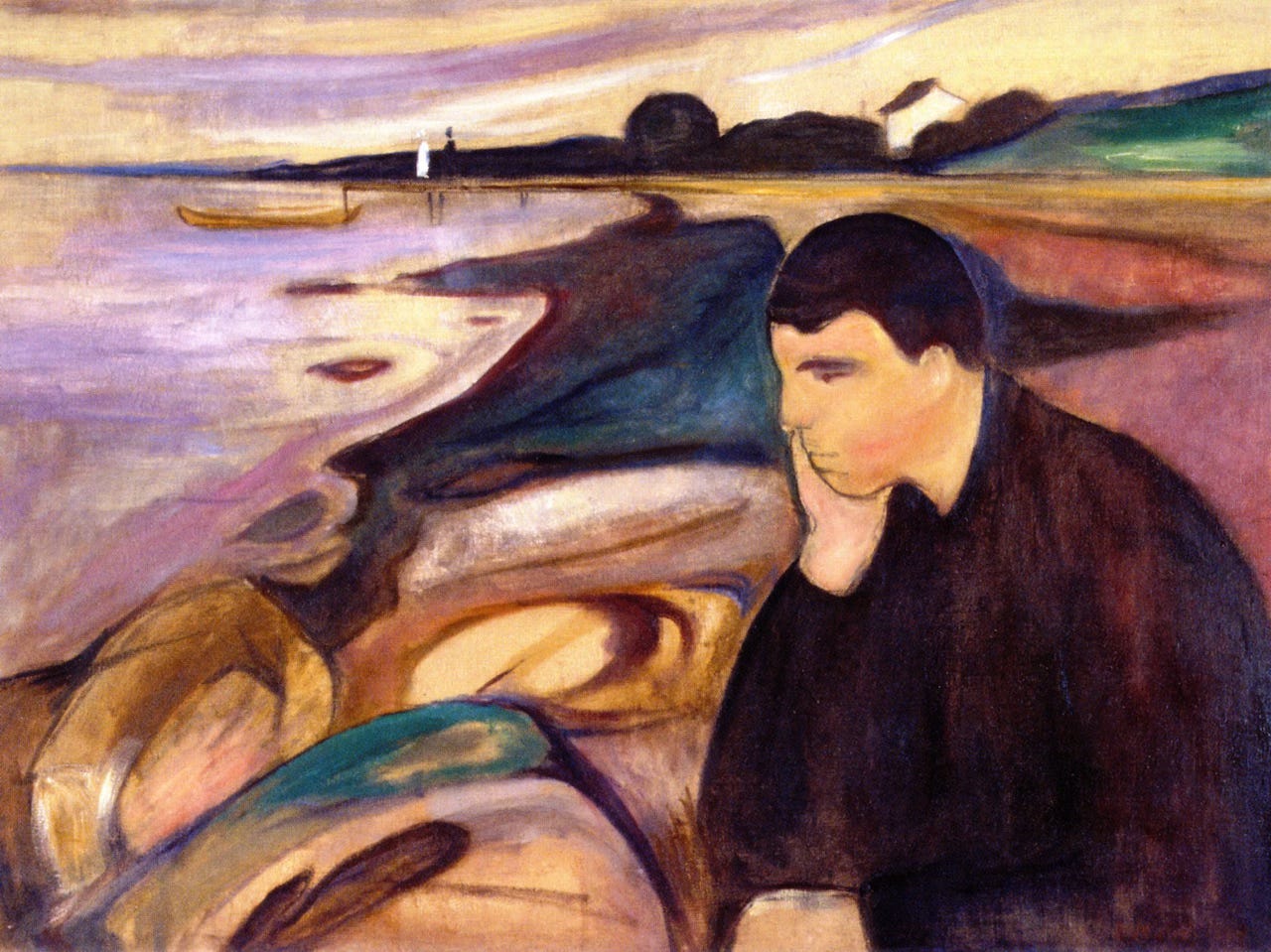
When I was in school, I remember I used to love ads. They were short, sweet, and strangely memorable. What I loved about them was how they showed a better life—better than anything available or even visible around me. I didn’t think back then they were make-believe. I thought there really were people who lived that way—beautiful, well-dressed, cool people who resided in this world just slightly beyond mine.
Like a fool, I assumed the people I saw in advertisements were the people who worked in advertising. People better than me. Much better than me. I think this was a common mistake back then by lots of suburban fools.
When I finally joined advertising, I discovered the obvious: The people who worked there were people like you and me. Except, to be fair, when I started in the late ’90s, there were enough beautiful and interesting people around. But that slowly changed. By the end of the noughties, everyone was like me—in body and mind. Which, let’s be honest, wasn’t very inspiring. Who wants to be around people just like themselves? Then it got worse.
But that’s not what this piece is about.
When you’re writing copy—whether it’s a headline or a film—you get rejected. Often. On average, I would have to think of 20 ideas, after literally wracking my brain, just to have 5 to present to my boss. (The thinking process itself is deeply agonizing and takes over every waking hour, but that’s a story for another day.) If I was lucky, one of them would be approved. This would continue until we had a few shortlisted ideas for the client.
And the client? Would mostly reject them all. Then it was back to the drawing board. Again. And again. For perspective: in some cases, I have presented ideas for an entire year before anything got approved.
To think I’ve done this for decades is not funny. Maybe that’s why I avoid looking back on my life too closely. But I was reflecting today—I must have thought of at least 10,000 ideas over my career. Let’s take that as a round figure. Of those, maybe a few hundred actually saw the light of day—most after being sufficiently meddled with. Which means I have faced rejection thousands upon thousands of times.
What does rejection do to a person?
Rejection shrinks something in a person. Not just their sense of being wanted, but something quieter—their readiness to reach out again, to speak freely, to believe they’re allowed in. It leaves behind a kind of cautiousness, even if masked by confidence. Over time, the hurt of rejection makes us question our instincts: Was I wrong to feel close? Was I foolish to try? And yet, rejection rarely says anything final about our worth. It reflects someone else’s limits, or their timing, or just their blindness. But still, it hurts. Because even if we understand it intellectually, our hearts register only the sound of a door closing—one we hoped might open.
I don’t know exactly how rejection changed me, but I can safely say I was numb and emotionally unavailable through my advertising life. My friends and family will gladly vouch for that. That numbness must have been my shield, a mechanism to protect a feeble sense of self. I do not know.
When something did get approved, I don’t remember being thrilled. It was more like relief—that something had gone through and I didn’t have to walk that road again. But of course, advertising meant I was already walking five other roads the same day before I could switch the bedside lamp on. Thinking up more ideas. Lots more.
If you had a team, you yourself had the power to reject—but this wasn’t real power. It was a kind of distorted empowerment that allowed you to spread your angst and your PTSD to others. And they to others. A cascade of quiet violence disguised as process.
You would present to your boss. Rejected. Then the business team. Rejected. Then the client. Also rejected. And each gatekeeper had their own brand of scrutiny—screening your thoughts better than the strainers in their water purifiers they were trying to sell in the first place. Enough to keep you perpetually stressed, for years and decades at a stretch.
If you’re wondering why I stayed as long as I did—long enough to set up a decent retirement—it’s this: rejection in advertising was conducted with clinical neutrality. You could hate yourself in private, but no one (mostly) told you outright that you were a fool. That saved face. And the numbness helped too. It let you go on.
But something started changing when I became a senior. I began to notice a shift. The neutrality gave way to impatience, then contempt. People tasked with reviewing my ideas—not always younger, not always brighter—began to not only throttle my work, but to make me feel insufficient. That pierced even the thickest emotional armor I had built. It hurt in a way nothing else had.
And that pain—more than anything else—is what made me quit.
A few weeks after I left, I started feeling better. Lighter. Like I had been carrying the weight of another person on my back. For decades. And I didn’t know how much that weight had taken from me emotionally. It finally felt okay to exhale.
I don’t think I can blame anyone. Not my bosses. Not my clients. Not even myself. This was a system that worked, but it wasn’t constructed with care. It wasn’t designed for sensitivity. It was built for efficiency. And maybe that’s the bigger question: Can systems of efficiency be built with sensitivity?
I’d like to believe they can—but they would require sensitive people. In advertising, you had to check your sensitivity at the door. And the tragedy? When you went back to pick it up at the end of the day, it was no longer there. It had been taken. Eaten up by the very system you thought you were building.
I suppose that’s the tragedy of corporate life.
I still miss thinking of ideas. I still miss writing. Which is why I have this blog now. My mind is still bubbling with thoughts, even if I know they’ll go nowhere. But the pain of rejection? I don’t think I have the fortitude for it anymore.
And I don’t know if that’s a good thing or a bad thing.
So be it.
" It wasn’t designed for sensitivity. It was built for efficiency. And maybe that’s the bigger question: Can systems of efficiency be built with sensitivity?" - This hits so hard and ties in with something I've been thinking about. I am not able to watch Kubrick films anymore after I learnt of what he did to both Shelley Duval and Malcolm McDowell. I didn't know when I first watched them that that was the cost of the brilliant film making I saw on the screen and knowing that feels very troubling. Is it worth all that, really, just to make a film? It really made me contemplate what we call and celebrate as achievement. It is not clear how much truth there is to the Shah Jahan story of cutting the fingers of the architect of the Taj Mahal and how much of it is just 'new India' alternative history, but that there are similar instances of cruelty in medieval history is much easier to believe. And that's the troubling part. Monuments to what exactly? We celebrate the beauty on the outside but what about the cruelty involved in the process to build what we celebrate.
Unfortunately, as I too am deeply entrenched in the corporate world and haven't yet crystallized what I would want to do if I didn't want to be part of that world anymore, I have to fight to push these thoughts away so that I can function, function in the way the efficiency machine requires of me. It is at such times that I think of a line from Magazine's brilliant You Never Knew Me that has stayed with me, "Do you want the truth, or do you want your sanity?". I have no idea what Howard Devoto really was like 'behind the curtain' but looking at how gracefully he conducted himself on stage during their 2009 reunion shows, would like to believe there are, after all, examples like his that the world may wish to follow instead...if it cared enough to.